These are granular substances with a diameter of 50 to 150 nanometers secreted by individual cells. A key function of exosomes is to facilitate signal communication between cells and organs.
Exosome Therapy
Exosome Therapy
Mesenchymal stem cell origin
Analysis of individual exosomes has opened up new therapeutic possibilities.
It is believed that secreted exosomes act on receptors on the surface of recipient cells to trigger signaling, and that the internalized exosomal contents then function within the recipient cells.
↓
Exosomes released by stem cells are a means of communication with other cells and have been found to promote cellular metabolism.
↓
In particular, exosomes derived from mesenchymal stem cells are said to have the effect of keeping blood vessels and skin young.
↓
Safer stem cell exosomes…
Considering collection difficulties, unknown donor origins, and the risk of viral infection, the safety of mesenchymal stem cell exosomes derived from the umbilical cord is gaining attention.
Expected results
Healthy
Via Intravenous - Systemic administration via IV injection. Expected to prevent aging, repair blood vessels, improve diabetes, restore male function, and repair organs. Administration to injured areas and joints - Local injection into areas of concern regarding damage or pain. At the injection site, cells are activated and tissue recovery occurs, which is expected to suppress inflammation and reduce pain.
Exosomes provide beautiful skin benefits.
Promoting skin turnover and activation :
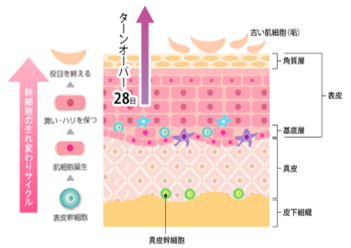

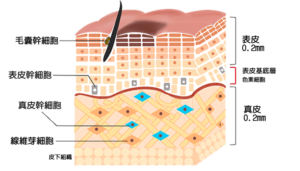
There are stem cells in the skin, such as epidermal stem cells, dermal stem cells, adipose stem cells, pigment stem cells, and sebaceous gland stem cells. A decrease in the number of stem cells in the skin leads to a decline in the regenerative capacity of the entire tissue, which is a factor in various aging phenomena.